

Introduction to Polyendocrine Metabolic Syndrome
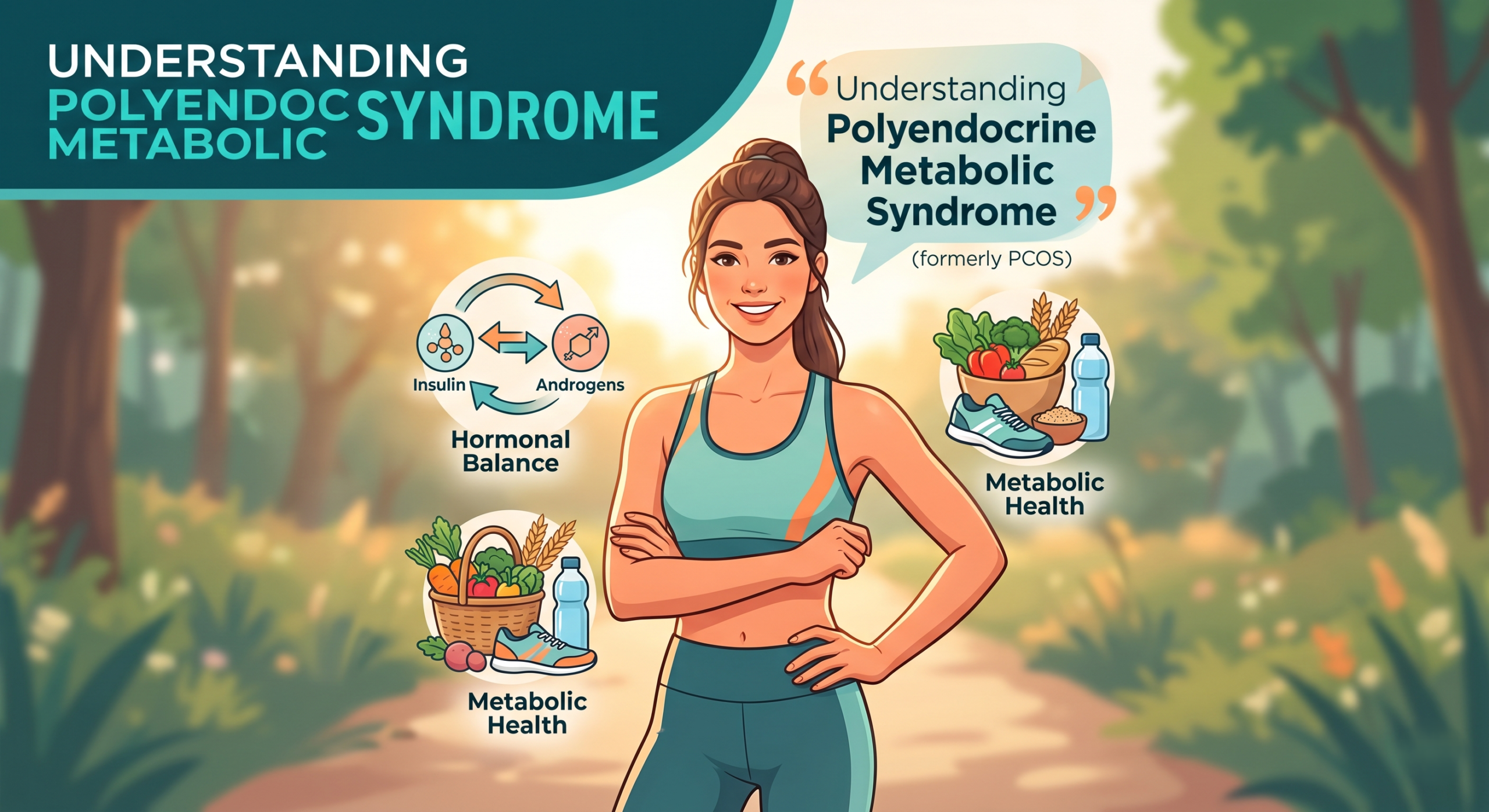
Polyendocrine Metabolic Syndrome, formerly and most commonly known as Polycystic Ovarian Syndrome (PCOS), is a widespread and complex hormonal condition that impacts millions of women during their reproductive years and beyond. In simple terms, this condition causes a profound mix-up in the body's endocrine (hormonal) system, which can make it exceedingly difficult for the ovaries to function as they normally should. Hormonal changes result in an ovulation, infertility, diabetes, and other significant metabolic diseases. Crucially, it is important to understand that this condition can occur entirely without the presence of ovarian cysts.
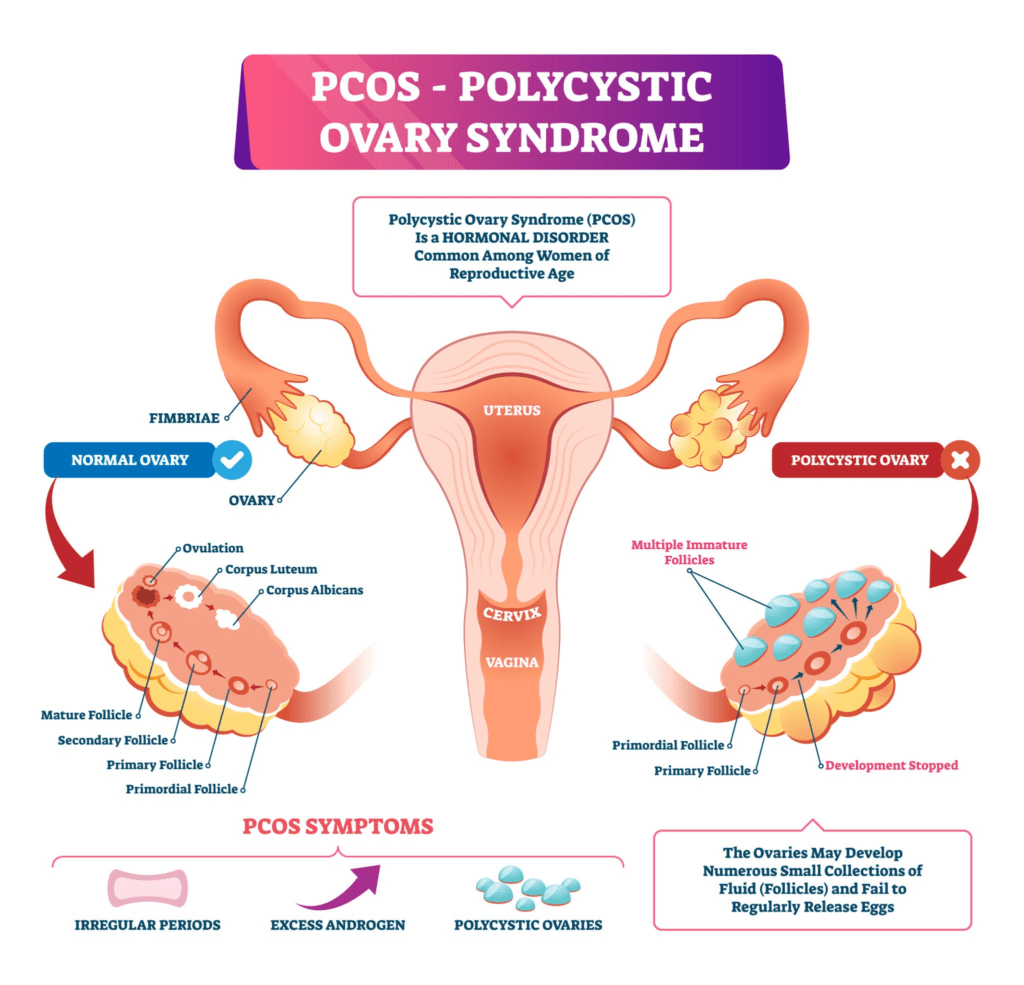
Normally, a healthy reproductive system orchestrates a delicate hormonal dance that leads to the maturation and release of an egg from an ovary each month—a process known as ovulation. However, with this syndrome, the ovaries often develop numerous small, fluid-filled sacs (clinically referred to as follicles, rather than true cysts). Because of the underlying hormonal imbalance, these follicles frequently fail to mature and release an egg, leading to irregular menstrual cycles and a cascade of other physical and metabolic changes.
The Evolution of Terminology: Why the Name Changed
For decades, the medical community referred to this condition exclusively as Polycystic Ovarian Syndrome. However, the name "PCOS" has long been recognized as misleading. The term implies that cysts on the ovaries are the primary cause or a mandatory symptom of the disorder. In reality, the "cysts" are simply normal, immature follicles whose growth has been stalled by hormonal dysregulation. Many women with the syndrome do not have these follicles on ultrasound, and many women without the syndrome do have them. The transition to the name Polyendocrine Metabolic Syndrome reflects a deeper, more accurate medical understanding. This is not strictly a gynecological issue confined to the ovaries; it is a full-body endocrine and metabolic disorder.
By acknowledging the metabolic nature of the syndrome, healthcare providers and patients alike can shift their focus away from just the reproductive organs and look at the broader systemic relationships, including insulin utilization, cardiovascular health, and comprehensive metabolic wellness.
What Does It Look Like? Recognizing the Clinical Signs
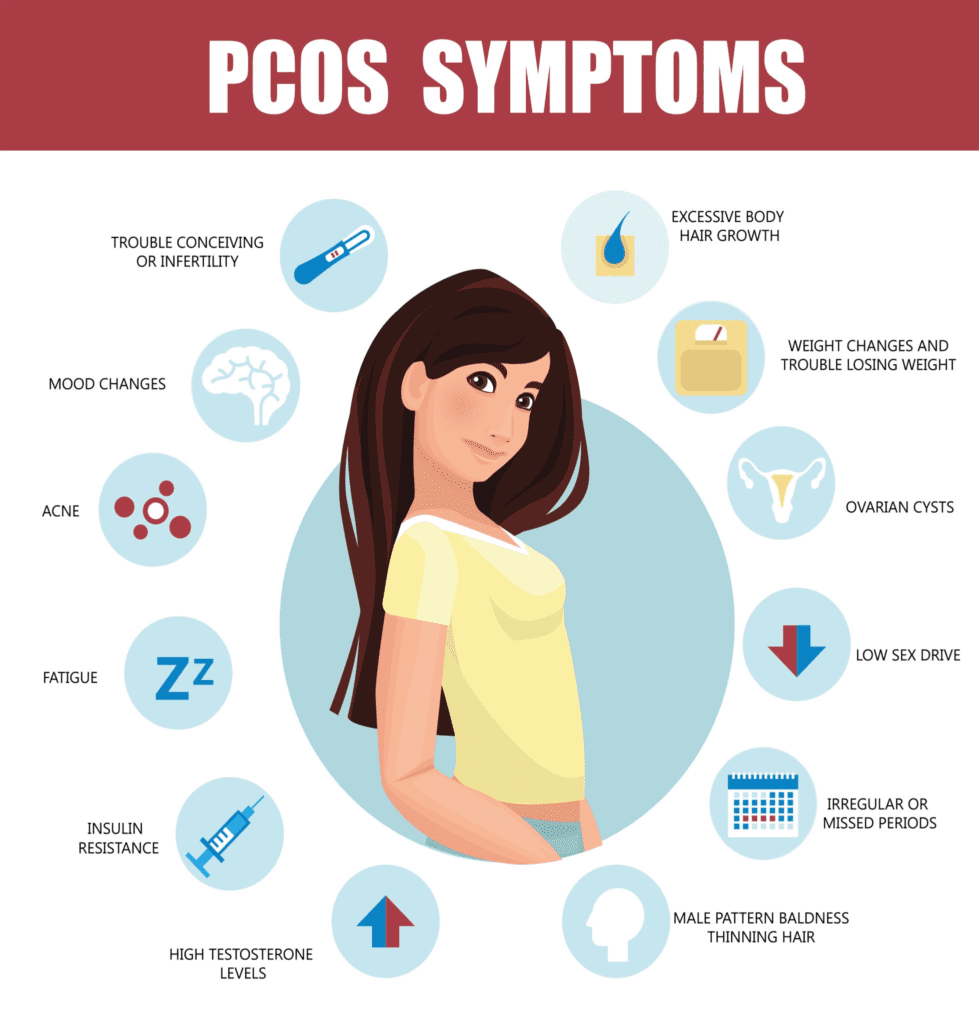
The signs and symptoms of Polyendocrine Metabolic Syndrome often begin around the time of puberty, coinciding with the onset of menstruation. However, they can also appear later in life, sometimes triggered or exacerbated by a noticeable increase in body weight. Because it is a highly variable syndrome, it affects everyone differently. A patient only needs to experience a few of the hallmark symptoms for a medical professional to make a clinical diagnosis:
● Irregular Menstrual Cycles: This is arguably the most common and noticeable sign. Your periods might come very rarely (oligomenorrhea), vanish altogether for months at a time (amenorrhea), last significantly longer than usual, or be entirely unpredictable in their timing and flow.
● Excess "Male" Hormones (Hyperandrogenism): All women naturally produce small amounts of male hormones, known as androgens (like testosterone). However, this condition causes the ovaries or adrenal glands to produce elevated levels of androgens. This overproduction can lead to unwanted, coarse hair growth on the face, chest, or back (a condition called hirsutism), stubborn cystic acne that resists standard dermatological treatments, or thinning hair on the scalp (androgenic alopecia).
● Weight Management Struggles: Many women with this syndrome find it exceedingly easy to gain weight and incredibly difficult to lose it, particularly around the central abdominal region. This visceral fat accumulation further exacerbates the metabolic dysfunction.
● Dermatological Changes: You might notice the development of dark, velvety, thickened patches of skin, especially around the neck, in the groin area, or under the breasts. This condition, known as acanthosis nigricans, is a direct clinical sign of high insulin levels in the bloodstream. Skin tags may also frequently appear in these same areas.
Understanding the Root Causes and Underlying Mechanisms
While the exact, singular cause of Polyendocrine Metabolic Syndrome remains a subject of ongoing scientific research, experts agree that it arises from a complex combination of genetic and environmental factors. If you have a mother or sister with the condition, your likelihood of developing it increases significantly, pointing to a strong hereditary link. Furthermore, chronic low grade inflammation is universally observed in women with this condition. This subtle, systemic inflammation stimulates the ovaries to produce excessive amounts of androgens, perpetuating the cycle of symptoms.
The Nexus of Insulin Resistance and Hormonal Balance
A major, central culprit in the development and severity of Polyendocrine Metabolic Syndrome is insulin resistance. Understanding this relationship is critical for effective management. Insulin is a vital hormone produced by the pancreas. Its primary job is to act like a key, unlocking the body's cells so they can absorb sugar (glucose) from the food you eat and turn it into usable energy. When your body becomes "resistant" to insulin, the cellular locks become sticky. The cells do not respond effectively to the insulin, meaning glucose builds up in the bloodstream instead of entering the cells. Sensing that blood sugar levels remain high, the pancreas panics and pumps out even more insulin to force the cells to respond. This leads to a state of hyperinsulinemia (excessively high insulin levels in the blood). These high levels of insulin act directly on the ovaries, triggering them to produce abnormal amounts of testosterone and other androgens. This hormonal overload disrupts the delicate balance required for normal follicular development, ultimately shutting down ovulation and driving the physical symptoms like acne and hair growth.
Metabolic and Reproductive Relationships
The systemic reach of Polyendocrine Metabolic Syndrome means that its consequences extend far beyond missed periods. The chronic hormonal and metabolic imbalances inherently link the condition to several serious, long-term health concerns. The most immediate reproductive relationship is anovulatory infertility; without regular ovulation, natural conception becomes challenging. Furthermore, if conception does occur, women with this syndrome face higher risks of gestational diabetes and pregnancy-induced high blood pressure. From a metabolic standpoint, the persistent insulin resistance places individuals at a markedly elevated risk for developing Type 2 diabetes. Often, prediabetes is present years before a formal diabetes diagnosis is made. Additionally, the syndrome is closely tied to cardiovascular diseases, including high blood pressure (hypertension), elevated LDL (bad) cholesterol, low HDL (good) cholesterol, and high triglycerides. Furthermore, the lack of regular menstruation means the uterine lining is not shed as frequently as it should be. Over time, this unbroken exposure to estrogen without the balancing presence of progesterone can lead to endometrial hyperplasia, a condition that increases the risk of endometrial cancer.
Securing an Accurate Diagnosis
Because there is no single definitive test for Polyendocrine Metabolic Syndrome, doctors typically rely on a diagnosis of exclusion and adherence to established clinical criteria (such as the Rotterdam criteria). If you suspect you have the condition, your healthcare provider will likely:
● Conduct a Thorough Medical History: They will discuss your menstrual cycle history, weight fluctuations, and the presence of dermatological signs like acne or unexplained hair growth.
● Perform a Physical Examination: This includes measuring your blood pressure, body mass index (BMI), and visually checking for signs of excess androgens and insulin resistance (like acanthosis nigricans).
● Order Comprehensive Blood Tests: Laboratory analysis is crucial. Your doctor will measure your hormone levels, including total and free testosterone, DHEAS, luteinizing hormone (LH), and follicle-stimulating hormone (FSH). They will also check your fasting blood glucose, fasting insulin levels, and a complete lipid panel to assess your metabolic health.
● Perform a Pelvic Ultrasound: This painless imaging test allows the doctor to visualize the ovaries and measure the thickness of the uterine lining. They will look for the classic "polycystic" appearance—ovaries enlarged with multiple small, arrested follicles around the periphery. Remember, however, that an ultrasound is not strictly required for a diagnosis, as the syndrome can manifest entirely without the presence of these follicular cysts.
How is It Treated? Molecules, Supplements, and Medical Management
While there is currently no absolute cure for Polyendocrine Metabolic Syndrome, the symptoms and underlying hormonal imbalances are highly manageable. Modern treatment protocols have largely shifted away from masking symptoms and are now heavily focused on correcting the foundational metabolic issues. A prominent component of this approach involves utilizing specific molecules and supplements that act directly on cellular pathways.
Key Molecules and targeted Supplements
Several naturally occurring molecules and specialized co-enzymes have shown profound clinical success in improving metabolic parameters and restoring ovulatory function:
| Molecule/Supplement | Mechanism of Action | Clinical Benefits |
| Myo-Inositol and D-Chiro-Inositol | These naturally occurring sugar alcohols act as secondary messengers in the insulin signaling pathway. They repair the "sticky locks" on cells, drastically improving insulin sensitivity. An optimal ratio (usually 40:1 of Myo to D-Chiro) mimics the body's natural plasma ratio. | Lowers circulating insulin, reduces hyperandrogenism (decreasing acne and facial hair), and powerfully restores spontaneous ovulation and menstrual regularity. |
| Coenzyme Q10 (CoQ10) | A vital antioxidant found in almost every cell, CoQ10 is crucial for mitochondrial energy (ATP) production. It neutralizes harmful free radicals and reduces the systemic oxidative stress commonly seen in metabolic syndromes. | Enhances cellular energy, significantly improves the quality of ovarian follicles (egg quality), and supports better cardiovascular health profiles. |
| N-Acetyl Cysteine (NAC) | NAC is a powerful antioxidant and a precursor to glutathione (the body's master antioxidant). It has potent anti-inflammatory properties and helps modulate insulin secretion. | Improves insulin sensitivity, reduces systemic inflammation, and has been shown to improve pregnancy rates when used alongside other fertility treatments. |
| Omega-3 Fatty Acids | Essential fats that the body cannot produce on its own. They reduce the hepatic (liver) output of triglycerides and decrease inflammatory cytokines. | Lowers inflammation, improves lipid profiles (reducing cardiovascular risk), and helps regulate menstrual cycle length. |
| Vitamin D | Technically a prohormone rather than a vitamin, its receptors are found on ovarian tissues. Vitamin D deficiency is overwhelmingly common in women with this metabolic condition. | Supports proper follicle maturation, aids in glucose metabolism, and helps stabilize mood and immune function. |
Insulin-Sensitizing Medications
In addition to targeted molecules, healthcare providers often prescribe pharmaceutical interventions to manage the metabolic aspects of the condition. Metformin, an oral medication traditionally used for type 2 diabetes, is frequently utilized off-label. It works by decreasing the amount of sugar produced by the liver and increasing the sensitivity of muscle cells to insulin. By lowering systemic insulin levels, Metformin helps reduce androgen production, which can eventually lead to the resumption of regular ovulation and an improvement in metabolic markers.
Fertility Interventions and Support
For women actively trying to conceive, the primary goal of treatment is the induction of ovulation. When lifestyle adjustments and insulin-sensitizing molecules alone do not result in regular ovulation, specific fertility medications become the next line of treatment. Medications such as Letrozole (an aromatase inhibitor that lowers estrogen to stimulate follicle-stimulating hormone) or Clomiphene Citrate are highly effective at encouraging the ovaries to select and mature a dominant follicle. In more complex cases, specialized procedures like In Vitro Fertilization (IVF) offer excellent success rates for patients facing profound ovulatory dysfunction.
Holistic Management: Lifestyle, Nutrition, and Exercise
Medical interventions are most effective when paired with foundational lifestyle modifications. Nutrition and physical activity play a monumental role in regulating insulin and managing Polyendocrine Metabolic Syndrome. Nutritional Strategies: Adopting a low-glycemic-index diet is paramount. This involves focusing on whole, unprocessed foods that cause a slow, gradual rise in blood sugar rather than sudden spikes. Emphasizing lean proteins, healthy fats (like avocados, nuts, and olive oil), and fiber-rich vegetables helps stabilize insulin throughout the day. The Mediterranean diet, rich in anti-inflammatory omega-3s and antioxidants, is widely considered the gold standard for managing metabolic syndromes. Minimizing refined carbohydrates, sugary beverages, and trans fats is crucial for long-term success. Exercise Protocols: Consistent physical activity is a powerful, non pharmacological insulin sensitizer. When you exercise, your muscle cells can absorb glucose for energy without needing as much insulin. A combination of cardiovascular exercise (to improve heart health and stamina) and resistance training (to build lean muscle mass, which acts as a "sink" for glucose) yields the best metabolic outcomes. Even losing just 5% to 10% of total body weight can dramatically improve hormonal profiles and bring back regular menstrual cycles.
Psychological Well-being and Mental Health Support
It is imperative to address the psychological toll of Polyendocrine Metabolic Syndrome. The relationship between hormonal fluctuations, physical symptoms like weight gain and hair growth, and the emotional stress of potential infertility can lead to significant psychological distress. Women with this condition experience much higher rates of clinical depression, severe anxiety, and disordered eating patterns. Comprehensive treatment must include mental health support. Therapy, support groups, and open communication with compassionate healthcare providers are essential components of a truly holistic treatment plan. Acknowledging that the emotional symptoms are a valid, biologically driven part of the syndrome helps reduce stigma and encourages patients to seek the comprehensive care they deserve.
Managing your reproductive and metabolic health shouldn't be a journey you take alone, and you deserve a team that understands the complexities of your body. Our specialists at Femina Women's Hospital are here to provide expert diagnosis, compassionate care, and personalized, progressive treatment plans tailored specifically to your unique needs.
Contact us today at 0725-281-309 to schedule a comprehensive consultation and take the first empowered step towards feeling your absolute best!